Stand on any bridge over the Avon and the water looks like one continuous sheet moving in one direction. It isn't. The river is a collection of speeds — fast water, slow water, water that briefly runs backwards, water that drops away without warning. Learning to see those differences is most of what river reading means, and it is the difference between a relaxed day out and an unexpected swim.
The good news is that the Avon is a forgiving teacher. It is mostly lowland water, wide and steady, with long straight reaches interrupted by bends, gravel shallows, old mill weirs and navigation locks. You can practise every skill you need from the bank before you ever commit to it from a boat.
Read the Surface Before Anything Else
Water tells you what is happening underneath by how it looks on top. Three textures cover most of it.
Smooth, glassy, almost oil-like patches are usually the fastest and deepest water in a reach. The surface stays flat because nothing is disturbing it from below. These are often the easiest lines to paddle, but they also move fastest, so give yourself room.
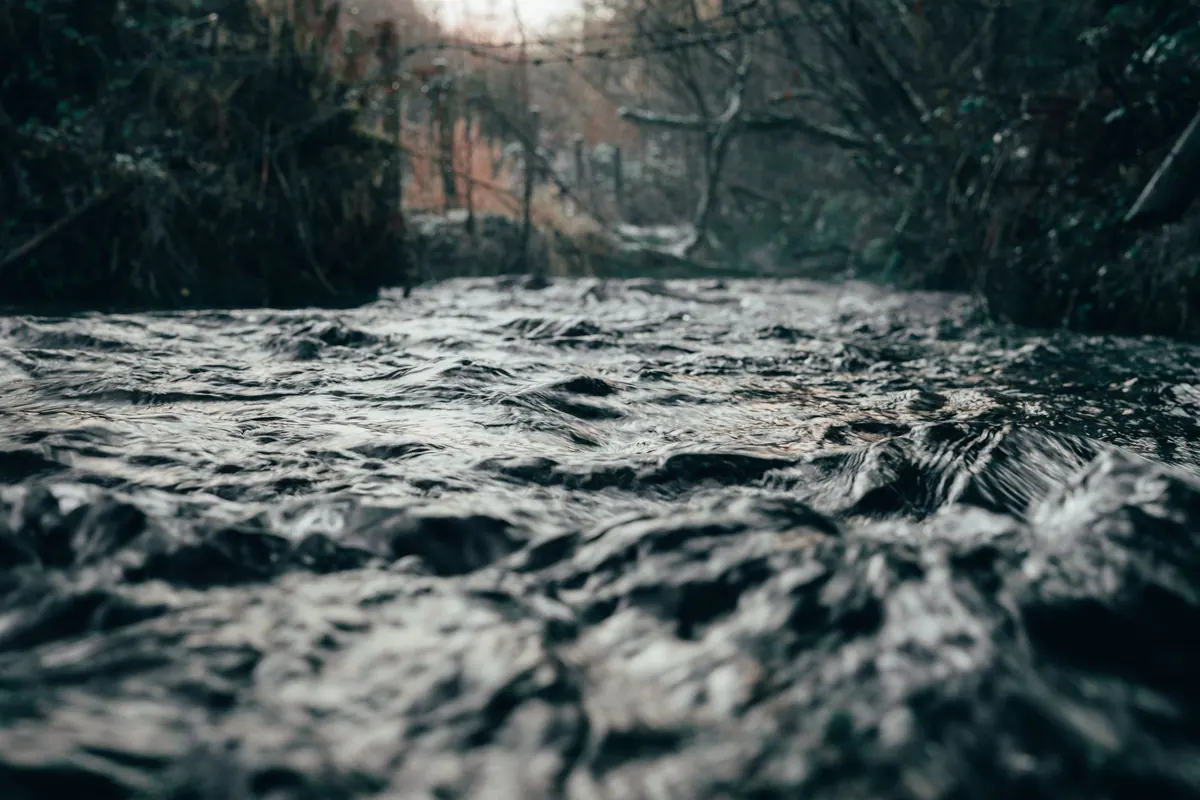
Rippled, choppy water generally means something is interfering with the flow — a shallowing bed, a submerged rock, a change in gradient. Choppy water is not automatically dangerous, but it slows you down and can tip a lightly loaded canoe.
Lines of foam and swirls are boundaries. Wherever you see a clear seam of bubbles running downstream, slow water is meeting fast water. That seam is the most useful feature on the whole river, because it marks an eddy.
Watch a few leaves or a stick float past. They will show you the direction and speed of the current far more honestly than your eyes will.
Eddies Are Where the River Rests
When current meets an obstacle — a bridge pier, a fallen branch, a point of land, a big boulder — the water has to go somewhere. Most of it pushes past on either side. Some of it curls back upstream behind the obstacle and forms a pocket of slow, swirling water. That pocket is an eddy.
Eddies matter because they are your pauses. They are where you stop to look ahead, regroup with a group, empty a boat, or simply rest your arms. In a wading context, an eddy is where the push against your legs drops away and you can stand still without leaning into the flow.
Look for the eddy line: a curved seam of foam and small whirlpools separating the fast downstream current from the calmer water behind the obstacle.
Getting In and Out of an Eddy
In a kayak or canoe, aim for the upstream end of the eddy — the point where the eddy line begins. Cross it with a bit of speed and a positive angle, then straighten up once you are inside. Exiting is the same in reverse: pick your moment, lean slightly into the current as you cross, and paddle firmly. Hesitating halfway across the line is what tips boats over.
On foot, eddies let you cross a river in stages. Walk up the bank to your first eddy, wade across the fast water below it, then stop in the next pocket of calm. Repeat. You have turned one long crossing into several short ones.
Shallows, Riffles and the Shape of a Bend
Where the Avon runs over gravel, the water speeds up and roughens. You will see paler patches under the surface, small standing waves, and sometimes a V of ripples pointing downstream with the point aimed where the flow is deepest.
Two rules make bends readable.
- The outside of a bend is usually deeper and faster. The current sweeps into that bank and scours it out. That is where the undercut banks and the submerged tree roots are.
- The inside of a bend is usually shallower. Gravel, sand and silt drop out on the inside, which is why you often find a beach there. Good for landing. Bad for paddling if you do not want to scrape.
So on a bend, the fast, deep line hugs the outside; the slow, shallow line hugs the inside. Pick according to whether you want speed or a rest.
Weirs: The Feature That Deserves the Most Respect
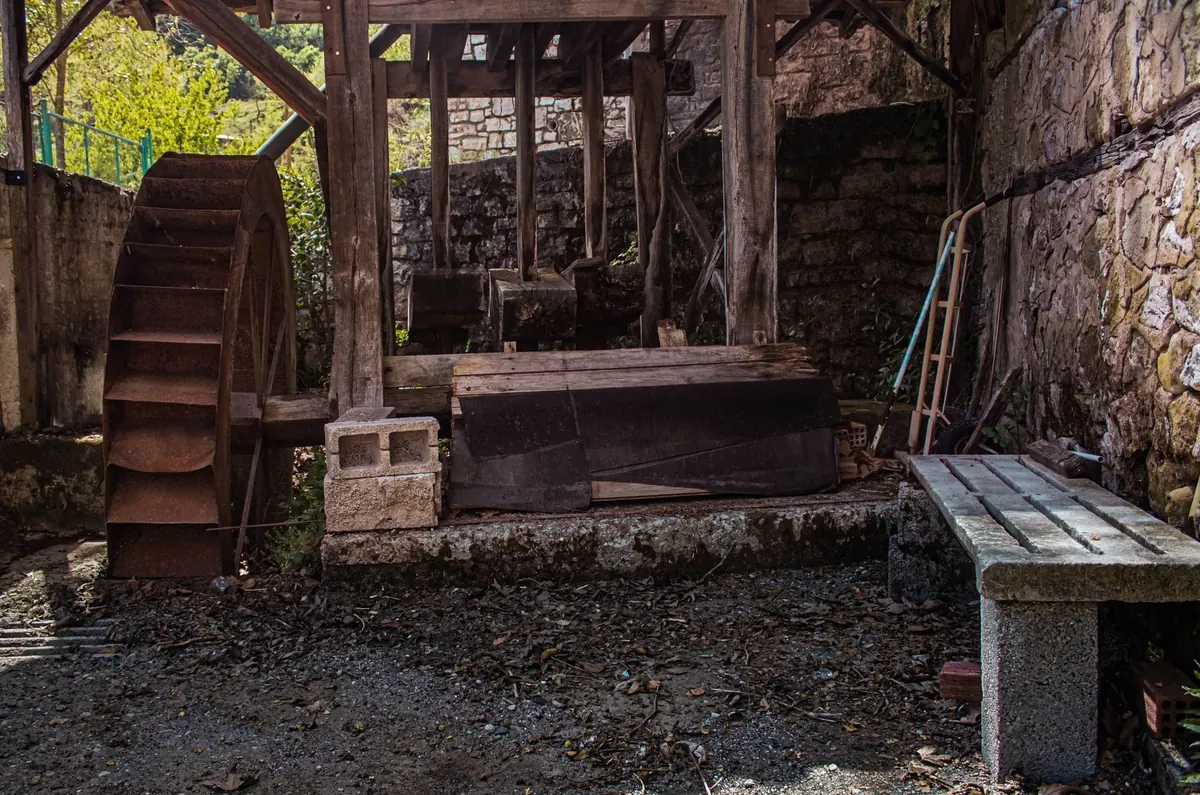
The Avon has a long history of milling and navigation, which means weirs and lock structures appear more often than a glance at the map suggests. Some are gentle sloping ramps. Some are vertical drops with a powerful recirculating wave at the bottom that can hold a boat or a person in place. Water levels change what a weir does, sometimes within a day of rain.
If you cannot see the whole weir, you cannot judge it. Get out and look.
Approach every weir the same way: land well upstream on the bank, walk down and inspect the full width, and look for the boil line and foam pile that show where water is being recycled. Submerged concrete, old sluice gates, and metal debris are common around historic structures, and they are invisible from upstream.
- Stop and inspect from the bank — every time, on every trip.
- Look for a smooth tongue of water, a drop, and the foam pile below. The distance between the drop and the boil shows how much water is being pulled back.
- Never wade into a weir pool, even at the edges.
- Portage if you are not certain. That is judgement, not nerves.
- Check any local navigation or angling rules before you launch; some stretches and structures have their own restrictions.
Wading Safely in Moving Water
The same reading skills apply when you are standing in the river rather than floating on it. Face upstream or slightly across, keep your knees soft, and shuffle your feet rather than lifting them — that way you feel the drop before you commit your weight. A wading staff gives you a third point of contact and buys you a lot of confidence on gravel.
Thigh-deep fast water pushes hard. If you cannot see the bottom, treat depth as unknown and test each step. Eddies give you rest stops. Cross at the widest, shallowest part you can find rather than the shortest line, and turn back if the current is already pushing you off balance.
Cold water deserves a mention here. Sudden immersion can trigger an involuntary gasp and rapid breathing, which is why a buoyancy aid and clothing suited to the water temperature matter even on a warm day. If you have a heart condition or another health concern that cold water could affect, speak to a doctor before you plan a trip.
A Quick Routine Before You Launch
- Stand somewhere high — a bridge, a bank, a lock gate — and scan the whole reach you plan to paddle.
- Mark the eddies in your head. Those are your stopping points if something goes wrong.
- Note every weir and structure upstream and downstream of you, not just the one in front.
- Check the level and recent rainfall. The Avon rises quickly after heavy rain and stays high for a while.
- Tell someone your route and your rough finish time.
- Carry a buoyancy aid on your body and a throwline within reach on the bank.
If you are new to moving water, a short course with a qualified instructor will move you along faster than any amount of reading. Beginners' sessions on flat water followed by gentle moving water are widely available, and they teach this material with your hands on a paddle.
Putting It to Use on Your Next Trip
Spend your first ten minutes on the bank doing nothing but watching. Find one eddy, one riffle, and one seam of foam, and decide what each would mean if you were out there. Then launch and test your reading. Deliberately paddle into an easy eddy, sit in it, and leave again. Cross a shallow riffle on the slow inside line, then on the fast outside line, and feel the difference.
Do that a few times on quiet stretches and the patterns start to jump out at you. The river stops looking like one moving sheet and starts looking like a map you can follow — one eddy, riffle and weir at a time.
Photo: Joe Cory / Pexels